
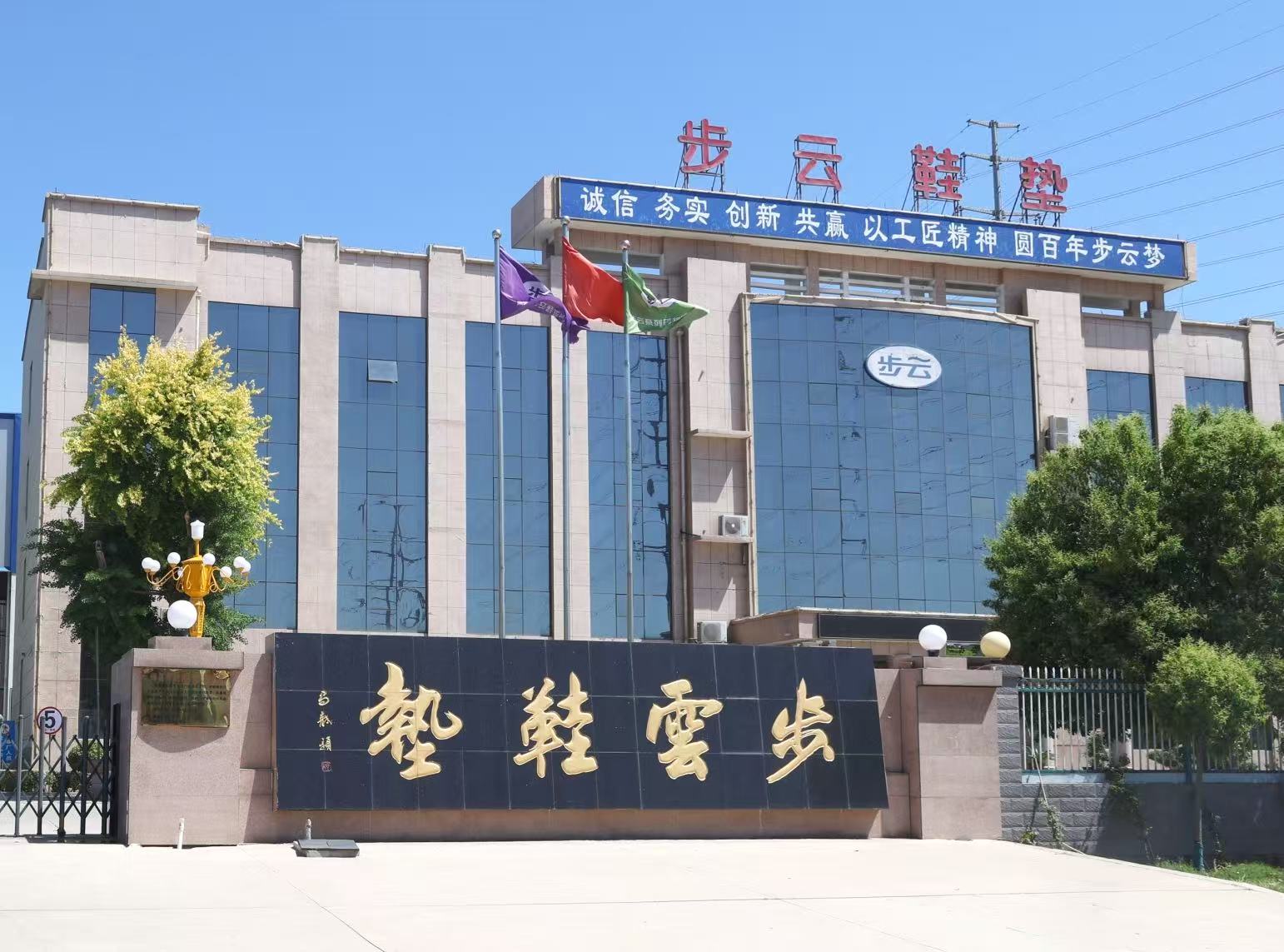
 BUYUN INSOLE | Professional Insole Manufacturer & Supplier in China
Choosing the right insole is an important part of footwear development. Although insoles are often hidden inside shoes, they play a significant role in wearing comfort, cushioning, foot support, and the overall footwear experience.
For footwear brands, shoe manufacturers, wholesalers, and importers, understanding different insole materials and structures can help improve product quality, meet customer expectations, and develop competitive footwear products.
As a professional insole manufacturer in China, Buyun Insole Factory specializes in the production of PU insoles, arch support insoles, sports insoles, comfort insoles, and customized insole solutions for different footwear applications.
In this guide, we will explore common insole materials, popular insole types, customization options, and important factors to consider when choosing an insole supplier.
An insole is more than just an additional layer inside a shoe. Its material, thickness, shape, and construction can all influence how a shoe feels during everyday use.
A well-designed insole can help provide:
Cushioning: Helps absorb impact during walking and daily activities.
Comfort: Improves the underfoot feel and reduces discomfort caused by excessive pressure.
Support: Provides additional support for the arch and heel when required by the design.
Breathability: Helps promote airflow and moisture management when combined with suitable materials.
Durability: Maintains its shape and functional properties through repeated use.
Different footwear products have different requirements. Running shoes may prioritize cushioning and rebound, work shoes may require durable support, and casual shoes may focus on softness and everyday comfort.
Therefore, selecting the right insole is an essential step in footwear product development.
Material selection directly affects the performance, appearance, cost, and intended application of an insole.
Here are several materials commonly used in the insole industry.
PU is a widely used material for molded insoles because it can be formulated to provide different levels of softness, resilience, support, and cushioning.
Key characteristics:
Good cushioning and rebound potential
Flexible material formulations
Suitable for different insole shapes and structures
Available in different densities and hardness levels
Suitable for casual, sports, and comfort-oriented footwear
PU insoles can be developed with different cushioning zones, heel structures, and arch support features according to product requirements.
At Buyun, PU insoles are an important part of our product range. Different designs can be selected according to the desired comfort level, footwear type, and target market.
Cotton-based and other functional foam materials can be used in insole construction to provide softness, cushioning, and comfort.
Their actual performance depends on the specific material composition, density, thickness, and manufacturing process.
These materials can be considered for casual footwear, comfort insoles, and selected footwear applications where a softer underfoot feel is required.
OrthoLite® is a branded insole foam technology used in footwear products. Buyers who require this material should confirm the specific material grade, availability, and applicable authorization requirements with their supplier.
Depending on the product specification, these materials may be selected for applications emphasizing cushioning, breathability, lightweight construction, and wearing comfort.
Latex is known for its elastic and soft feel. It can be used in certain comfort-oriented insole constructions to provide cushioning and a responsive underfoot sensation.
Potential advantages include:
Soft and comfortable feel
Elasticity
Suitability for selected casual footwear
Compatibility with certain fabric-covered constructions
Material selection should consider the required thickness, shape retention, footwear structure, and target price.
Some insoles use more than one material to achieve a balance between comfort and support.
Examples include:
PU foam with a fabric top layer
PU cushioning with a TPU support structure
PU with gel cushioning components
Latex with a textile covering
Foam cushioning with a reinforced support layer
The right combination depends on the shoe design, expected use, performance requirements, and budget.
Note: Material availability and compatibility should be confirmed for each specific product before sampling or mass production.
Different footwear categories require different insole designs. Understanding these differences can help buyers select products that suit their markets.
PU insoles are suitable for a variety of footwear applications, including casual shoes, selected sports shoes, and comfort-oriented footwear.
Depending on the formulation and construction, they can offer a combination of cushioning, resilience, and support.
Arch support insoles feature a shaped structure designed to support the natural contour of the foot.
Typical design elements include:
A raised arch support area
A stabilizing heel structure
Forefoot cushioning
A combination of soft and firm components
These designs are suitable for footwear that requires additional structural support. The appropriate arch height and firmness should be selected according to the shoe design and intended user.
Sports insoles are designed around the demands of physical activity.
Important considerations include:
Impact cushioning
Rebound performance
Foot stability
Material durability
Moisture management
The ideal structure varies depending on the sport, shoe type, and intensity of use.
Comfort insoles prioritize a pleasant underfoot feel for everyday footwear.
They may feature soft cushioning materials, breathable fabric, and ergonomic shaping. They are commonly considered for casual shoes, walking shoes, and footwear intended for extended daily wear.
For footwear brands and shoe manufacturers, customized insoles can help create a more distinctive product and meet specific footwear requirements.
As a custom insole manufacturer, Buyun can discuss product specifications with customers and evaluate suitable manufacturing options.
Customization may include:
Material Selection
Choose suitable materials according to cushioning, support, durability, and cost requirements.
Hardness and Density
Adjust the material specification to achieve the required balance between softness and support, subject to manufacturing feasibility.
Thickness and Shape
Develop the insole profile to fit the footwear structure.
Arch and Heel Design
Select suitable support and cushioning structures for the intended application.
Color and Surface Fabric
Choose the appearance and top fabric according to the product design.
Logo Customization
Add a brand logo to suitable fabric or other compatible product areas.
Size and Packaging
Confirm the required size range, labeling, packaging, and carton information.
OEM and ODM cooperation should begin with a clear product specification and sample confirmation before proceeding to bulk production.
Finding a suitable insole supplier involves more than comparing unit prices. Buyers should consider manufacturing capability, product consistency, communication, and the supplier's ability to meet their specifications.
Here are six factors worth evaluating.
Look for a manufacturer whose main product range matches your requirements, such as PU insoles, sports insoles, arch support insoles, or customized insoles.
A reliable supplier should be able to explain the differences between materials and discuss their suitability for the intended application.
Samples allow buyers to evaluate dimensions, material feel, flexibility, support structure, appearance, and compatibility with the shoe.
Ask about incoming material inspection, production checks, dimensional inspection, and finished-product quality control.
Confirm whether the supplier can accommodate your requirements for size, color, fabric, logo, structure, and packaging.
Clear specifications, confirmed production schedules, and timely communication help reduce misunderstandings during international purchasing.
A suitable manufacturing partner should be able to discuss these factors transparently before an order is confirmed.
Buyun Insole Factory is a China-based manufacturer specializing in insole production.
With decades of experience in the insole industry, Buyun serves customers looking for different types of insoles and manufacturing solutions.
Our product development and production focus includes:
PU insoles
Arch support insoles
Sports insoles
Comfort insoles
Customized insoles for footwear brands
Selected insole material and construction solutions
We understand that different customers have different requirements. A footwear brand may prioritize a distinctive product design, while a shoe factory may focus on fitting, consistency, and production efficiency. A wholesaler may be more concerned with product selection, pricing, and order quantities.
Our goal is to communicate with customers, understand their specifications, and identify suitable insole solutions for their projects.
Manufacturing Experience
Decades of experience in the insole industry.
Product Variety
Different insole styles for various footwear applications.
Customization Support
Options for discussing materials, colors, sizes, logos, and product structures.
Sample Evaluation
Samples can help customers assess product specifications before bulk orders.
Factory-to-Business Cooperation
Direct communication with a manufacturer for product selection and order coordination.
For specific requirements, product availability, minimum order quantities, pricing, and lead times should be confirmed with our sales team.
A clear development process helps ensure that the final product meets the buyer's expectations.
A typical cooperation process includes:
Step 1 – Share Your Requirements
Tell us the footwear type, target market, estimated order quantity, and desired insole functions.
Step 2 – Select the Product and Material
Discuss suitable insole styles, materials, dimensions, and construction options.
Step 3 – Confirm Samples
Evaluate the sample's size, feel, flexibility, support, and compatibility with the shoe.
Step 4 – Confirm Specifications and Quotation
Finalize the product details, packaging, order quantity, price, and delivery terms.
Step 5 – Arrange Mass Production
Production begins after the order details and sample requirements have been confirmed.
Step 6 – Quality Inspection and Shipment
Finished products are inspected according to the agreed specifications before packing and shipment.
This process helps buyers and manufacturers establish clear expectations throughout product development.
Buyun focuses on PU insoles, arch support insoles, sports insoles, comfort insoles, and customized insole products. Contact us to confirm availability for your specific requirements.
Logo customization may be available depending on the product structure, surface material, printing method, and order requirements. Please share your logo and preferred application area for evaluation.
Sample arrangements can be discussed before mass production. Sample costs, shipping fees, and lead times depend on the selected products and delivery destination.
Consider the shoe type, desired softness, support requirements, thickness, material density, and target price. Testing samples inside the intended footwear is recommended.
Buyun works to develop international business cooperation. Overseas buyers can contact our team to discuss product selection, customization, quotations, and shipping arrangements.
Choosing the right insole requires a balance of material properties, structural design, comfort, durability, and cost.
Whether you are looking for a PU insole manufacturer, an arch support insole supplier, a sports insole factory, or a custom insole manufacturing partner in China, understanding your product requirements is the first step toward successful cooperation.
Buyun Insole Factory welcomes inquiries from footwear brands, shoe manufacturers, wholesalers, distributors, and importers seeking suitable insole products and customization solutions.
Tell us about your footwear project, target market, required materials, and estimated quantity. Our team can help you explore suitable options.
Professional Insole Manufacturer & Supplier in China
PU Insoles | Arch Support Insoles | Sports Insoles | Custom Insoles
Contact us to discuss your insole project.
Official Website: https://buyuninsole.com/
Sourcing insoles from China? These pages explain how we work with buyers:
Need a quotation or a sample? Contact our export team — we reply within 24 hours.
Contact: Grace Zhang
Phone: +8619836226519
Email: 19836226519@163.com
Add: Chengxi Industrial Park, Huixian Industrial Agglomeration Area, Huixian City, China
We chat
